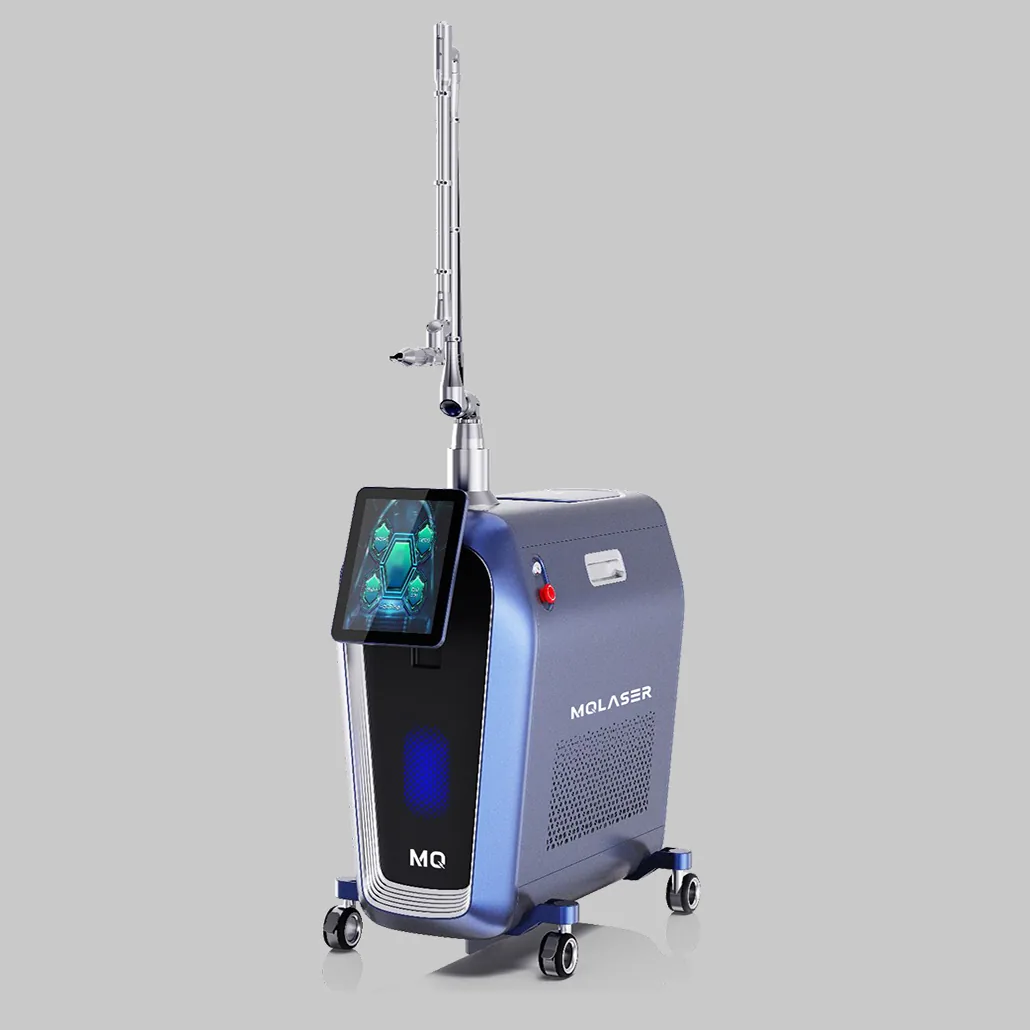
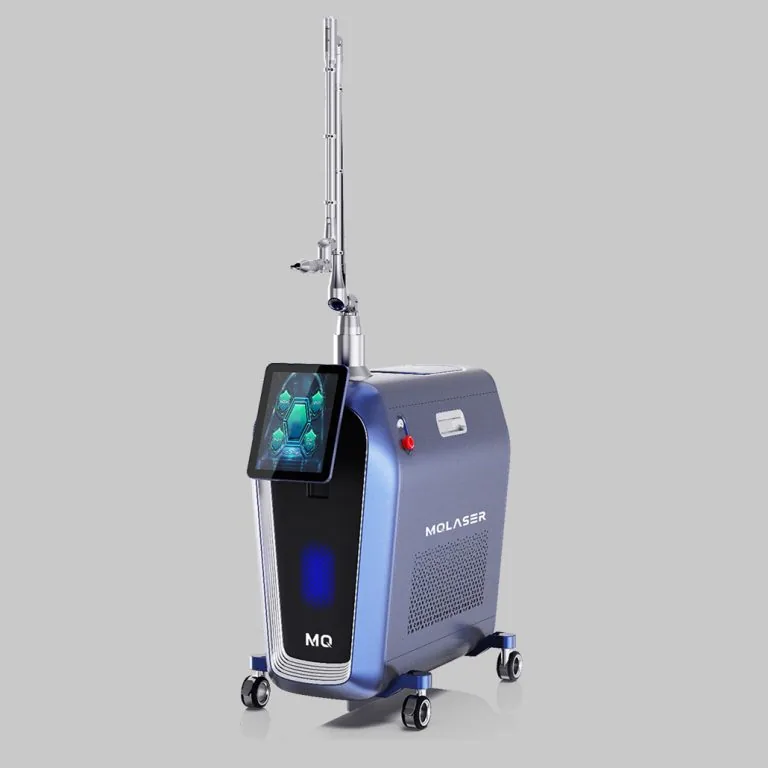
Separate the technology decision from the market plan
A picosecond or Q-switch laser tattoo removal machine should be evaluated in the context of the professional service menu, operator setting, target market, and documentation requirements. A clinic may need a focused equipment decision, while a distributor may need a product story and configuration that can be explained consistently to several buyers.
The product-line page covers both picosecond and Q-switch terminology because the current catalog uses both categories. It does not claim that the technologies are interchangeable. Request the exact system name and configuration before comparing quotations.
Use a written specification comparison
The DEPELITE page publishes 1064 nm and 532 nm values, a 350 ps pulse-width value, 1-10 Hz, and 2-10 mm spot size. Treat these as published reference points for the listed model, then confirm which values apply to the quoted configuration and which options are available for the target market.
A useful comparison records the laser source, wavelength options, pulse-width information, spot-size options, handpieces, accessories, interface language, supplied documents, and electrical requirements. Do not merge specifications from different models or present optional items as standard.
Build the support conversation into the inquiry
Before requesting a quote, explain the country, buyer type, intended service category, expected workload, and required training. Ask which operating materials and technical contacts are provided and how maintenance, troubleshooting, and spare-parts questions are handled.
For a distributor, the support plan is part of the product decision. Confirm how product information will be updated, how configuration questions are escalated, and which claims may be used in local sales material. This keeps the public page accurate while the commercial discussion continues.
Create one comparison record for each quotation. Note the exact model, source type, confirmed wavelength and handpiece configuration, included accessories, operating language, document set, and open questions. This avoids mixing a picosecond reference with a Q-switch configuration and gives the purchasing team a clear list of items that must be resolved before an order.
Before approving sales material, compare every public specification and product statement with the current document supplied for that model. Keep optional items separate from standard items and avoid extending one market's documentation to another market without confirmation. This review protects both the purchasing record and the information later shown to clinic customers.
Maintain a Model-Specific Comparison Record
For final comparison, identify whether each quotation is a picosecond or Q-switch configuration and keep standard wavelengths separate from optional wavelength language. Record pulse-width information, spot size, handpieces, accessories, operating modes, interface language, documents, training, and support on one model-specific sheet. This prevents a feature from one system being carried into another product description.