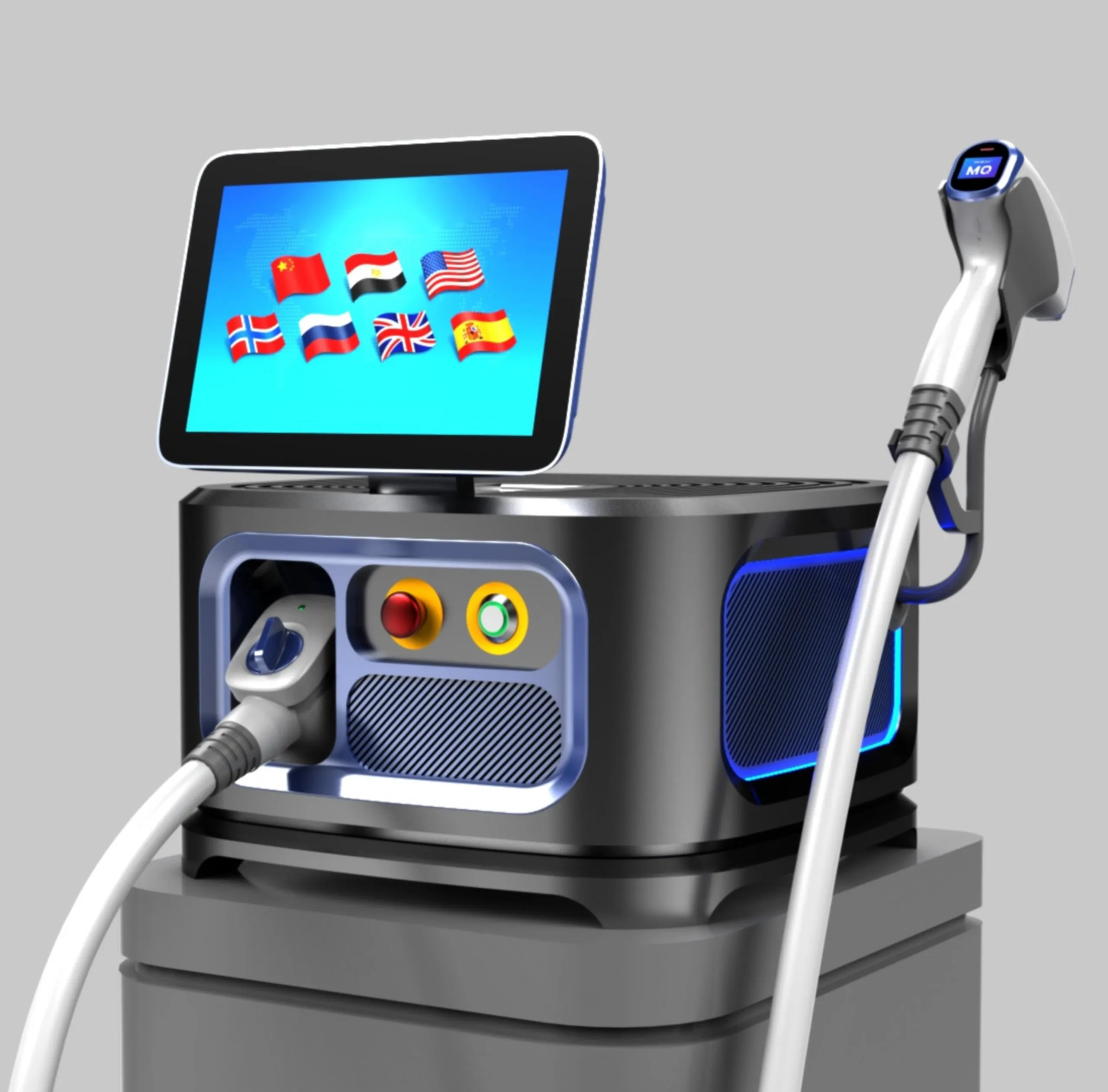
Commercial Diode Laser Hair Removal Machines
Professional diode laser systems for clinics, salons, and distributors building a hair removal equipment range.
View product lineMQLASER product lines
Start with the treatment category, then confirm configuration, training, documentation, and support with our team.
Professional diode laser systems for clinics, salons, and distributors building a hair removal equipment range.
View product line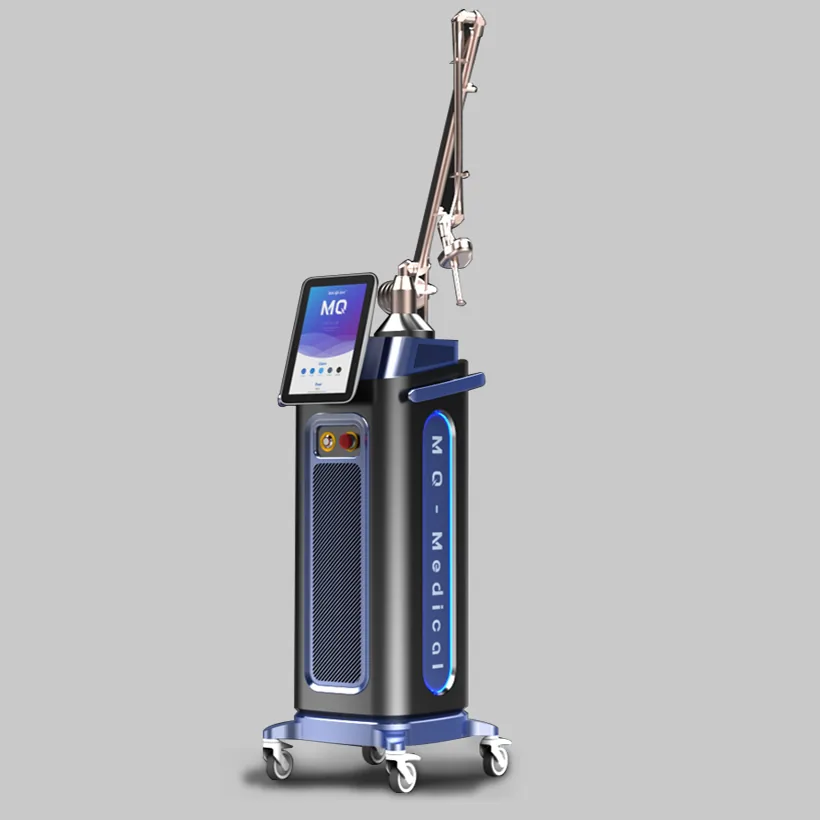
Flexible platforms for professional skin resurfacing and fractional treatment workflows in appropriately qualified settings.
View product line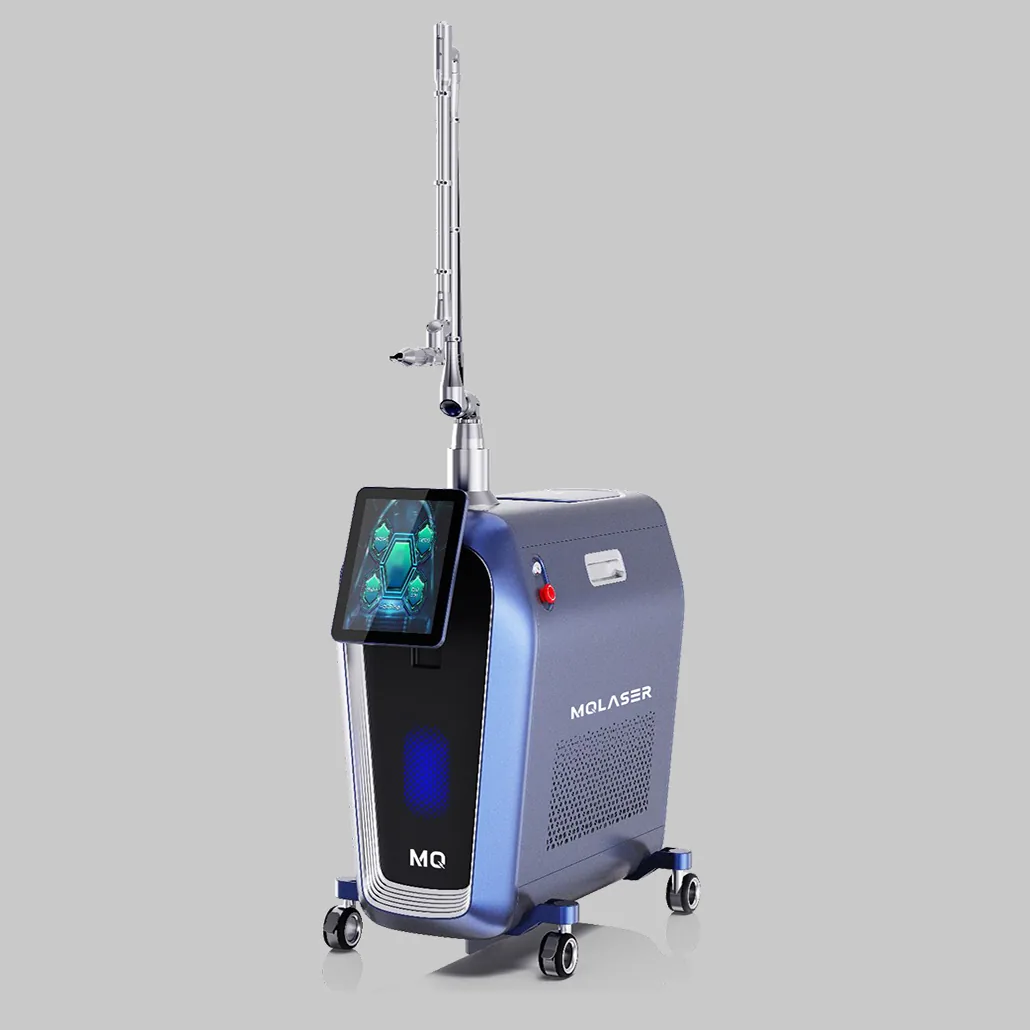
Professional laser platforms for buyers evaluating equipment for pigment and tattoo removal service lines.
View product line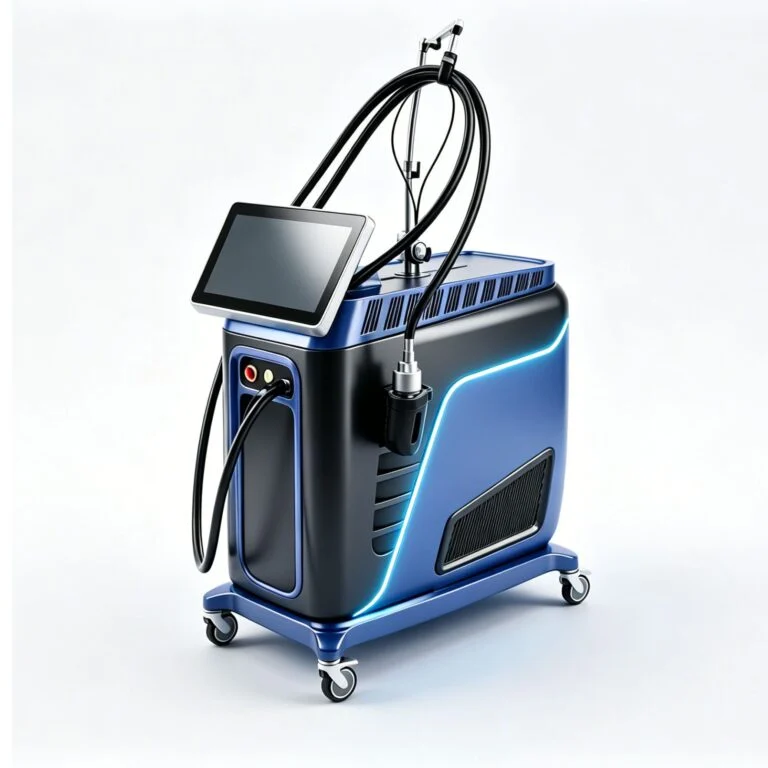
Professional dual-wavelength laser systems for clinics and distributors planning hair removal across a mixed client base.
View product lineStart with the treatment category, buyer type, expected workload, and space available at your facility.
Ask which options, handpieces, interface languages, appearance choices, and supporting documents are available.
Confirm training, delivery preparation, maintenance communication, and after-sales contacts before ordering.
Use the same evaluation sequence for every product line so the quotation, documentation, and operating plan refer to the same system.
For each shortlisted system, record what is published, what has been confirmed in writing, and what remains open. This prevents an attractive specification from being separated from the model, accessory package, market documentation, and support arrangement that give it meaning.
Begin with the treatment category, facility type, operator background, expected workload, available space, and target market. A clinic selecting one unit and a distributor preparing a regional product range will often need different configurations, supporting documents, and training arrangements. Recording the operating context first keeps the discussion focused on business fit instead of a single headline specification.
Product-line names group related equipment, but they do not prove that every model shares the same handpieces, wavelength options, operating modes, cooling arrangement, electrical requirements, or accessories. Ask for the exact model name and a current specification sheet. Keep that document with the quotation, packing information, and any approved customization so the purchasing team compares one coherent configuration.
Tell MQLASER where the equipment will be sold or operated and which documents your organization expects to review. Confirm the language of supplied materials and request evidence that applies to the quoted model rather than relying on a general credential shown elsewhere on the website. The buyer remains responsible for checking the requirements that apply in the destination market.
Clarify who needs product training, how operating information will be provided, and which contact route handles technical questions after delivery. Distributors should also define how questions from clinic customers will be collected and escalated. Confirm maintenance communication, troubleshooting guidance, spare-parts requests, and any agreed sales materials before the equipment enters service.
A useful first inquiry includes the country or market, buyer type, product line, intended professional setting, expected quantity or timeline, and the configuration or documentation questions that matter most. Avoid combining specifications copied from several models. A focused request gives the supplier a clearer basis for responding and creates a written record of the points that still require confirmation.
Technical suitability and commercial suitability are related but different decisions. After identifying the exact model, ask for price, MOQ, payment terms, production lead time, delivery terms, packing details, warranty coverage, and any distributor-specific conditions. Record values from the applicable quotation instead of treating a general website statement as a commercial commitment. If a term changes, update the comparison record before internal approval.
Before delivery, decide who will receive and inspect the equipment, where records will be stored, who will attend training, and which contact handles future technical questions. Confirm the model and included items against shipping and quotation documents. For multi-site clinics or distributors, use a consistent internal record for each unit so configuration, document version, and support history can be traced without relying on memory.
Distributors and clinic groups should review product copy before publishing it in local sales materials. Use only confirmed information for the specific model and market, keep optional items clearly labeled, and remove statements that imply an unverified medical outcome. When MQLASER issues an updated specification or operating document, note the version and check whether any website, brochure, or training material also needs revision.
When several people participate in the purchase, assign one owner to maintain the comparison record. That record should link the model name, signed specification, commercial quotation, document set, training arrangement, and support contacts. A controlled record makes it easier to resolve changes before ordering and to keep later clinic or distributor materials aligned with the exact equipment supplied. Review the record again whenever the quoted configuration or document version changes.
Request Product Information