Medical & aesthetic device manufacturer · Beijing, China

sales@mqbeautytech.com

Dual-wavelength hair removal

Alexandrite & Nd:YAG Laser Hair Removal Machines

Professional laser platforms for buyers evaluating 755 nm and 1064 nm hair-removal equipment for a mixed client base.

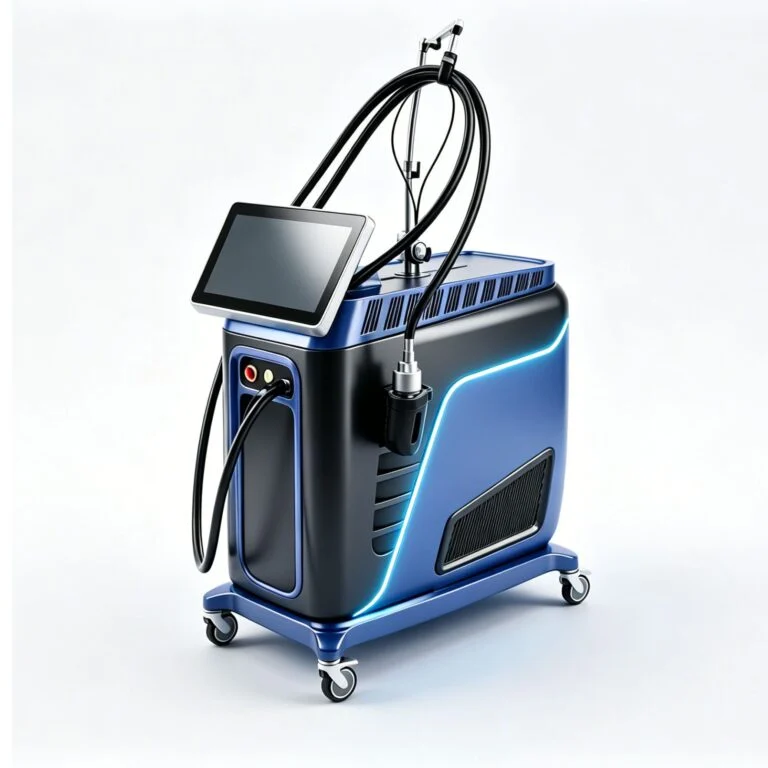
MQLASER AlexPlus dual-wavelength alexandrite and Nd:YAG laser hair removal system

Who This Product Line Is For

  • Laser clinics with mixed skin-tone clientele
  • Medical aesthetic practices
  • Beauty equipment distributors

Where It Fits

  • Hair-removal service planning across skin types
  • Platforms that combine wavelengths in one system
  • Clinic and distributor product programs

Read the Two Wavelengths as Two Roles

The legacy product page presents 755 nm Alexandrite and 1064 nm ultra-long-pulse Nd:YAG as two wavelengths with different behaviors. Melanin absorbs 755 nm strongly, which the legacy page links to lighter skin tones and finer hair. The 1064 nm wavelength is described as penetrating more deeply with less epidermal melanin competition, which the legacy page links to darker skin tones and coarser hair. Those pairings come from manufacturer material, not from this page, and a buyer should confirm which wavelengths are in the signed specification of the exact quoted system.

A dual-wavelength platform is one way to serve a mixed client base from one device. It is not the only way, and wavelength names alone do not describe the delivered configuration. Record the laser source, spot sizes, pulse durations, cooling arrangement, handpieces, and accessories beside the exact model before comparing quotations.

What the Published Model Page Does and Does Not State

The AlexPlus legacy page publishes a 26 mm maximum spot size, a single-handpiece, single-fiber design described as covering spot sizes between 12 mm and 26 mm, microsecond-level pulse widths including a 2 ms value, and a dynamic cooling spray. It does not publish a technical table for fluence, repetition rate, power, electrical supply, dimensions, or weight. Those fields should arrive in a current signed specification sheet, not be inferred from marketing text or from a different model.

Keep spot-size language precise. The legacy page describes 26 mm as a maximum and 12-26 mm as the single-handpiece range. Ask which spot sizes the quoted configuration delivers and how a change between them is made during a treatment session.

Evaluate the Workflow Claim, Not Only the Feature List

The legacy page describes time-saving effects in percentages, including reduced treatment time and reduced patient interval because handpiece changes are removed from the workflow. Treat percentage claims as vendor descriptions. The evaluation question is whether the published spot-size range and the single-handpiece design fit the rooms, booking schedule, and treatment menu of the buying clinic.

For a distributor, the same rule applies one level up: reproduce only confirmed model information in local material, keep legacy marketing percentages out of specification tables unless a current document supports them, and separate standard equipment from optional items.

Keep Published Values Separate From Confirmed Values

For each quotation, record which fields came from the legacy product page, which arrived in a signed specification, and which remain open. Spot-size range, pulse durations, cooling arrangement, electrical requirements, accessories, and documents should each have a source and a date. That record prevents a headline number from one generation of the model being attached to another configuration.
Models Published by MQLASER

These model names and selected specifications were checked against the official legacy product page. The final quotation and signed specification sheet control the supplied configuration.

MQLASER AlexPlus dual-wavelength laser hair removal system

AlexPlus Dual-Wavelength Laser Hair Removal System

A dual-wavelength hair-removal platform published with 755 nm and 1064 nm beams and a 26 mm maximum spot size.

  • Published wavelengths: 755 nm Alexandrite and 1064 nm ultra-long-pulse Nd:YAG
  • Maximum spot size: 26 mm
  • Single-handpiece range: 12-26 mm described on the legacy page
  • Cooling: DCD dynamic cooling spray described

Values are transcribed from the legacy page. Fluence, repetition rate, power, and size or weight are not published there and require a current signed specification.

View model details

Confirm the Configuration for Your Market

Product configuration and documentation can vary. Share your country, buyer type, intended treatment menu, and expected order quantity so our team can prepare the right information.

  1. Wavelength package in the signed specification
  2. Spot sizes and single-handpiece design
  3. Cooling method and consumables
  4. Training, warranty and after-sales support

Make the Buying Decision Around the Exact System Offered

Separate wavelengths from the configuration

Ask which wavelengths are in the signed specification of the quoted system and which are only described as options or legacy language.

Describe the professional use case

Share the intended service category, operator setting, expected workload, and local market requirements rather than relying on a generic machine label.

Confirm the ownership plan

Review training, operating materials, cooling consumables, technical communication, maintenance, and spare-parts support before placing an order.

Questions to Resolve Before Requesting a Quote

Which wavelengths are in the machine I am buying?

Ask for the wavelength package stated in the signed specification of the exact quoted model. Wavelength language in titles or option lists is not the same as a confirmed configuration.

What does the single-handpiece spot-size claim mean in practice?

The legacy page describes one handpiece and fiber covering 12-26 mm spot sizes with a 26 mm maximum. Confirm the delivered spot sizes and how a change between them happens during treatment.

Why does the model page not list fluence or power?

The legacy product page does not publish those numbers, and this site does not estimate them. Request the current specification sheet for the quoted model.

What support should I discuss before purchase?

Discuss training, cooling consumables, technical contacts, routine maintenance communication, and spare-parts availability for your market.

Start With Your Market and Business Model

Request Product Information