Medical & aesthetic device manufacturer · Beijing, China

sales@mqbeautytech.com

Hair removal systems

Commercial Diode Laser Hair Removal Machines

Professional diode laser systems for clinics, salons, and distributors building a hair removal equipment range.

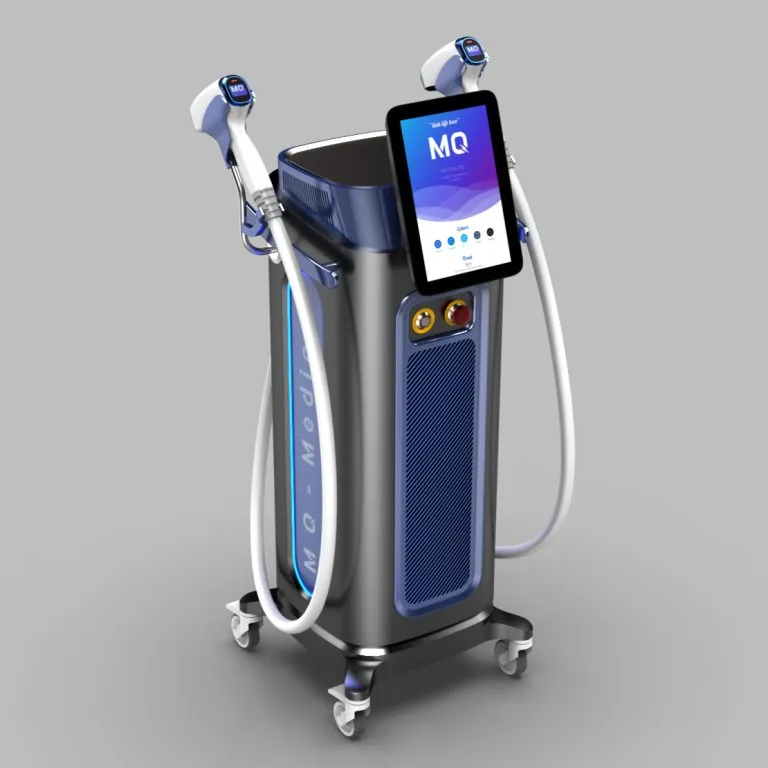
MQLASER diode laser hair removal system with handpieces

Who This Product Line Is For

  • Aesthetic clinics
  • Beauty salons
  • Equipment distributors

Where It Fits

  • Professional hair removal service planning
  • Multi-room clinic deployment
  • Private-label equipment programs

Choose a diode platform by operating model

A commercial laser hair removal machine should be evaluated against the business that will operate it. A single clinic may prioritize a practical footprint and a clear operator workflow, while a distributor may need a repeatable configuration that can be documented for several buyers. Start with the treatment categories, operator experience, expected workload, and target market before comparing a product name.

The MQLASER product pages publish more than one diode platform. That means the product-line page is a starting point for a qualified discussion, not a promise that every option is included in every quotation. Ask for the current configuration, included handpieces, cooling arrangement, interface language, and supplied documents in writing.

Configuration questions that change the buying decision

Wavelength options, spot sizes, fluence range, pulse frequency, handpiece design, and cooling are useful comparison fields when they are confirmed for the exact system offered. The official SUPLASER page publishes four wavelength values and the SPLASER page publishes a separate set of configuration language; buyers should therefore compare the signed specification sheet rather than combine values from different pages.

For a distributor, the practical question is whether the proposed configuration can be explained consistently to clinics in the target market. Request product photographs, operating materials, electrical requirements, documentation languages, packing details, and any optional items before placing a purchase order.

Prepare the team and the after-sales route

A useful inquiry covers more than the machine. Include the country, buyer type, intended service menu, estimated quantity, preferred configuration, branding or language needs, training expectations, and after-sales requirements. This gives the supplier a clear basis for preparing a product discussion without assuming a medical outcome.

Before delivery, agree which training materials are supplied, who handles technical questions, how maintenance communication works, and how spare-parts requests are routed. These operational details are especially important when a distributor will support several clinic customers.

Maintain a Model-Specific Comparison Record

For final comparison, keep each diode model on its own row and record the confirmed wavelength configuration, applicator, tips, cooling, electrical requirement, interface language, included documents, packing, and support route. Do not combine the portable SUPLASER reference with the higher-power SPLASER values. A model-specific record makes differences visible and gives the supplier a precise list of open questions.
Models Published by MQLASER

These model names and selected specifications were checked against the current official website. The final quotation and signed specification sheet control the supplied configuration.

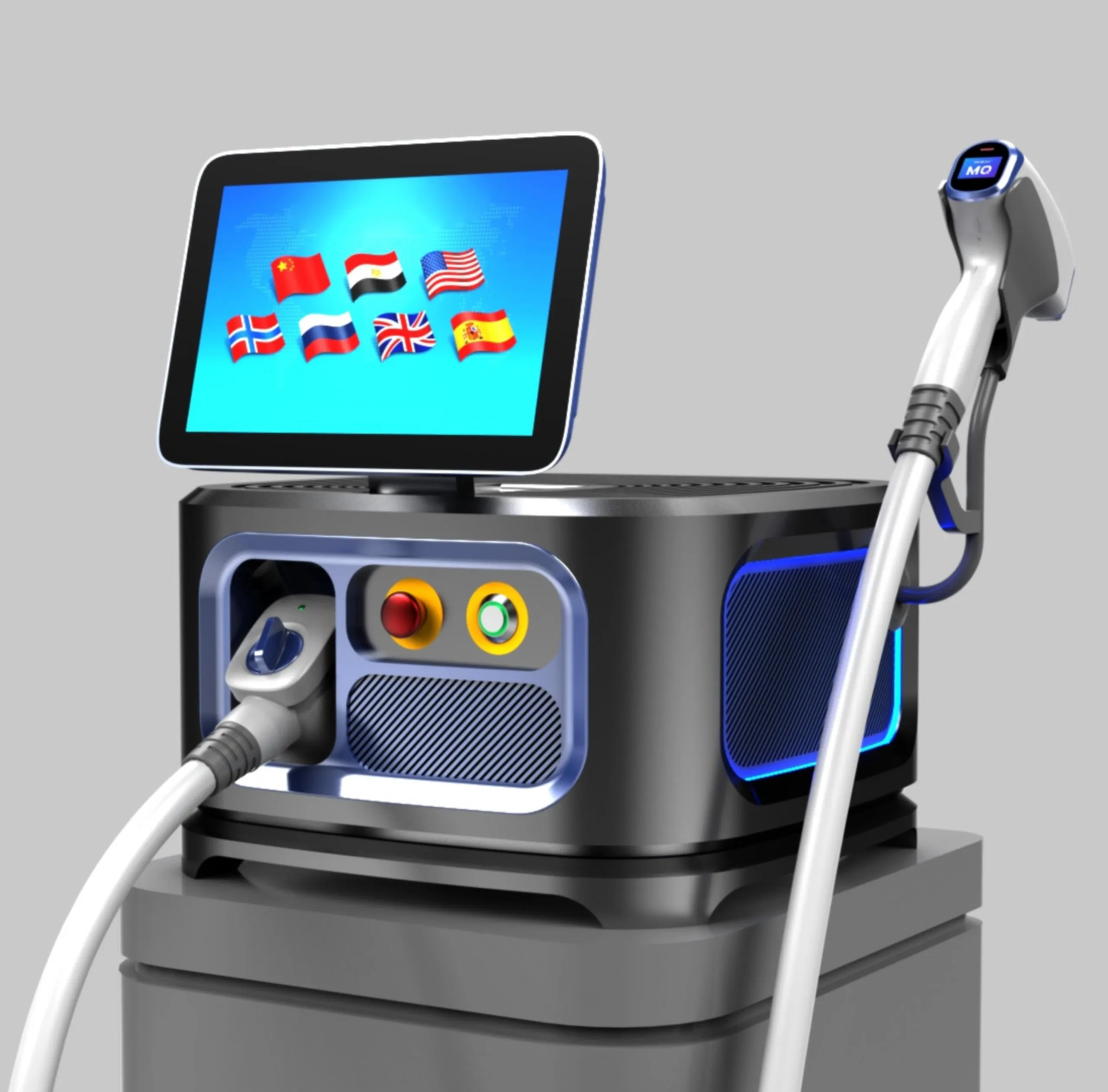
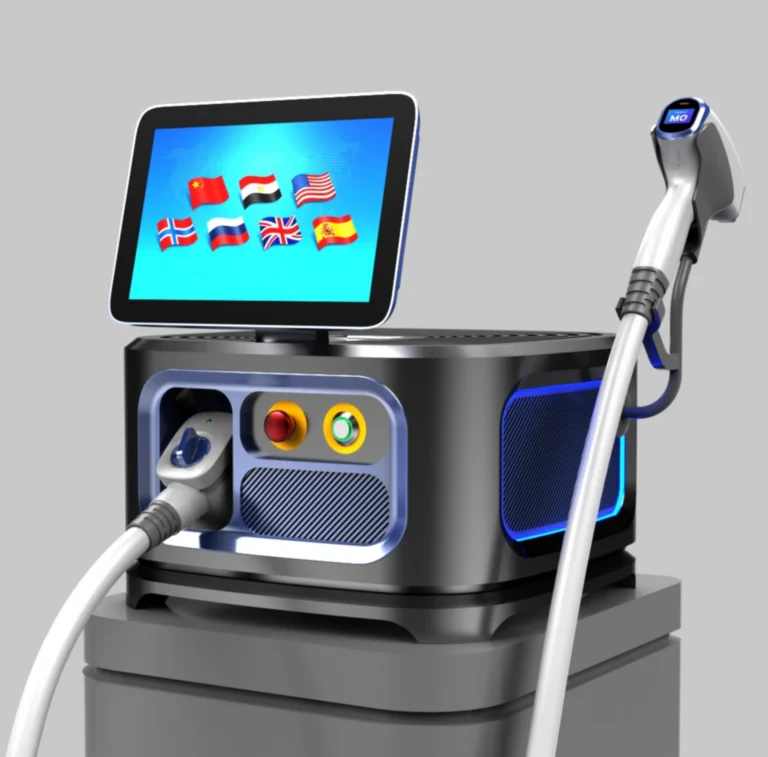
MQLASER SUPLASER portable four-wavelength diode laser system

SUPLASER® Portable Four-Wavelength System

A portable diode platform published on the current MQLASER website.

  • Input voltage: 100-230 VAC, less than 12 A, 50-60 Hz, single phase
  • Published wavelengths: 755 / 808 / 940 / 1064 nm
  • Maximum peak power: 1,200 W
  • Spot sizes: 12 × 12, 12 × 20, 12 × 28, 12 × 34, 4 × 4, Ø8 and Ø10 mm

Values are transcribed from the legacy MQLASER product page. Confirm the current quoted configuration and applicable market documents before ordering.

View model details
MQLASER SPLASER stationary diode laser hair removal system

SPLASER® Diode Laser Hair Removal System

A higher-power diode platform listed by MQLASER with customizable wavelength language.

  • Input voltage: 100-230 VAC, less than 12 A, 50-60 Hz, single phase
  • Specification-table wavelength: 800 ± 15 nm
  • Additional wavelength language: 755, 940 and 1064 nm described as customization options
  • Maximum peak power: 2,400 W

The page title and specification table describe wavelength options differently. Request the current signed specification sheet.

View model details

Confirm the Configuration for Your Market

Product configuration and documentation can vary. Share your country, buyer type, intended treatment menu, and expected order quantity so our team can prepare the right information.

  1. Wavelength configuration
  2. Handpiece and cooling options
  3. Training and operating language
  4. Local documentation requirements

Make the Buying Decision Around the Exact System Offered

Match the operating model

Clarify whether the system will serve one treatment room, several operators, or a distributor portfolio before comparing configurations.

Confirm the supplied configuration

Ask for the exact handpieces, cooling options, interface language, accessories, and documents included with the proposed system.

Plan support before delivery

Agree on training, technical communication, maintenance guidance, and the after-sales contact route during the buying process.

Questions to Resolve Before Requesting a Quote

Which configuration should I request?

Share your target market, buyer type, expected workload, preferred format, and local documentation needs. MQLASER can then discuss the available configuration for that inquiry.

Can distributors discuss branding or interface requirements?

Yes. Include appearance, branding, operating language, and other customization requirements in the inquiry so the available scope can be confirmed.

What should I confirm before ordering?

Confirm the exact system configuration, included accessories, training arrangement, required market documents, delivery details, and after-sales communication route in writing.

Start With Your Market and Business Model

Request Product Information