Resolve the Wavelength Wording Before Comparing Systems
The SPLASER legacy page does not present wavelength information in one consistent way. Its specification table lists 800 ± 15 nm, while other page language describes 755, 940, and 1064 nm as customization options. A buyer should request one current signed specification that states the exact wavelength configuration offered and should not combine both descriptions into an assumed standard package.
Use the same document to confirm the 2,400 W maximum peak power, available spot sizes, 1–200 J/cm² fluence range, up-to-10 Hz repetition rate, and 5–170 ms pulse duration. Recording each value beside the model and applicator prevents specifications from being separated from the system to which they apply.
Plan for a Stationary Diode Platform
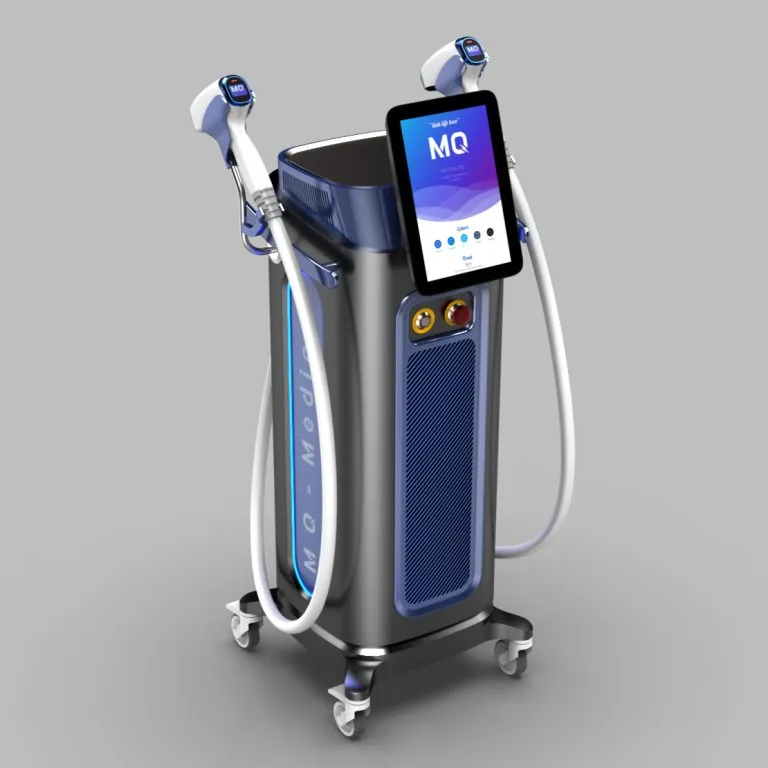
The published dimensions and weight describe a larger stationary format than SUPLASER. Check treatment-room access, placement, electrical supply, ventilation around the equipment, and the route used for delivery before approving the order. For multi-room clinics, decide whether one stationary unit supports the intended workflow or whether separate equipment planning is required.
The page also describes interchangeable applicator tips, pulse and slide modes, and IoT monitoring. Ask which tips, modes, software functions, and monitoring features are enabled in the offered configuration. Request operating materials and a product demonstration that correspond to that configuration rather than relying only on a catalog summary.
Prepare the Commercial and Support Questions
A complete SPLASER inquiry identifies the destination market, buyer type, expected order quantity, intended professional setting, preferred interface language, customization request, and documentation needs. It should also ask for packing information, delivery terms, training arrangements, warranty coverage, maintenance communication, and the process for obtaining accessories or spare parts.
Keep the final quotation, signed specification, accessory list, document versions, and support contacts together. If the current supplier document changes the wavelength description or another published value, update the internal comparison before approval and use the signed document as the source for distributor or clinic-facing materials.
For distributor evaluation, record whether the offered applicators, interface options, and operating materials are standard or optional. That separation makes quotations easier to compare and prevents an accessory demonstrated during sales discussions from being mistaken for an included item.