Define the resurfacing workflow first
A fractional CO₂ laser machine belongs in a professional equipment plan only after the buyer defines the intended service menu, operator setting, and local documentation requirements. A dermatology practice, medical aesthetic clinic, and regional distributor may ask different questions even when they review the same product line.
Use the product-line page to frame the discussion around system configuration and documentation. It should not be read as a substitute for the exact quotation, operator requirements, or market authorization process.
Compare the exact system, not a generic label
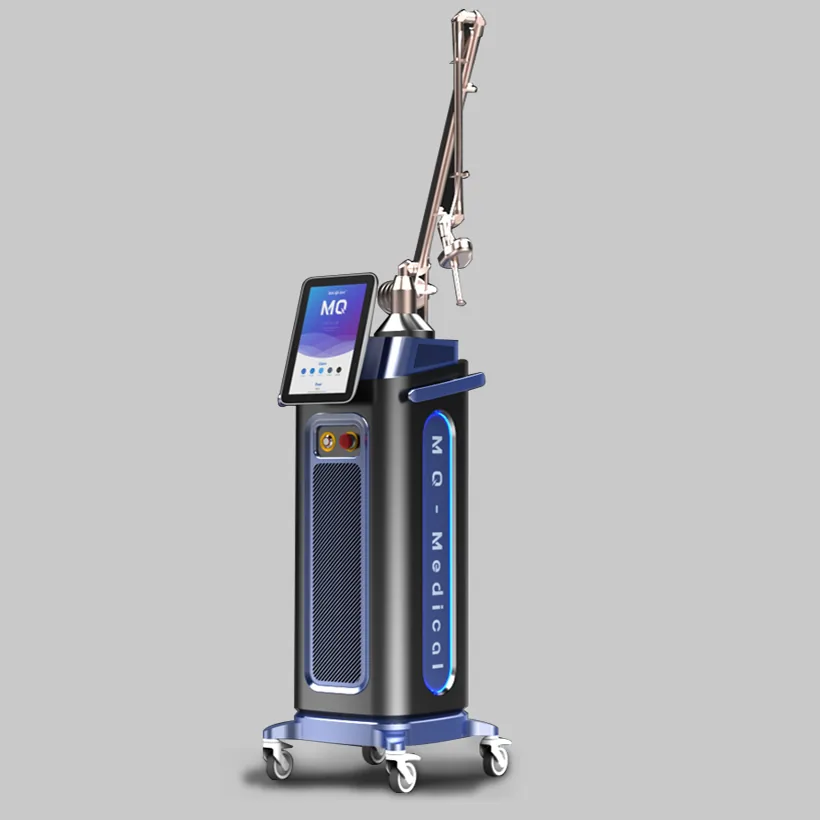
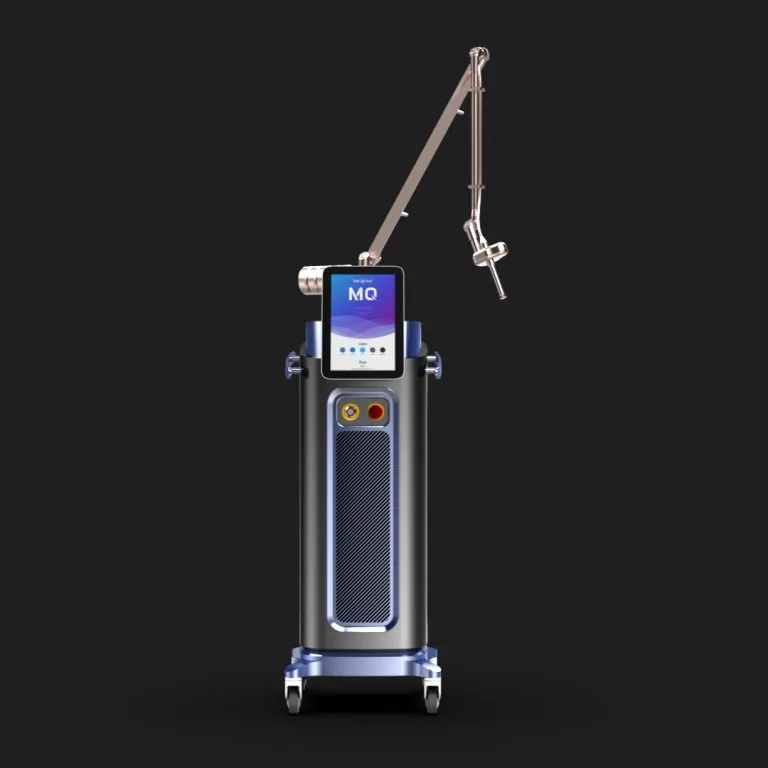
The current MQLASER catalog lists DEPPLUS and DIATERMOLOGIE fractional CO₂ systems. Published pages show overlapping values such as 10,600 nm and 15-70 W, but the pages also contain wording that needs confirmation. Buyers should request the current signed specification sheet, included scanner or accessories, operating modes, cooling arrangement, dimensions, weight, and electrical requirements for the quoted unit.
This approach prevents a common purchasing error: treating a product-line label as if it described every configuration. Keep the approved specification attached to the quotation and use it as the reference for the website, sales material, and distributor training.
Plan documentation and operator support
A strong fractional CO₂ inquiry states who will operate the system, which professional services are planned, and what documentation the market requires. Ask how training is delivered, which operating materials are supplied, and who answers technical questions after installation.
Distributors should also clarify the support route before they promote a system: contact roles, maintenance communication, troubleshooting guidance, spare-parts availability, and the process for escalating a configuration question. These details help a buyer assess the complete equipment relationship rather than only the headline specification.
Keep the final product record practical. It should identify the quoted model, approved configuration, included items, document versions, training arrangement, delivery information, and the contacts responsible for technical follow-up. If a published page and the signed specification differ, stop and ask for clarification before using the information in clinic materials or distributor communications.
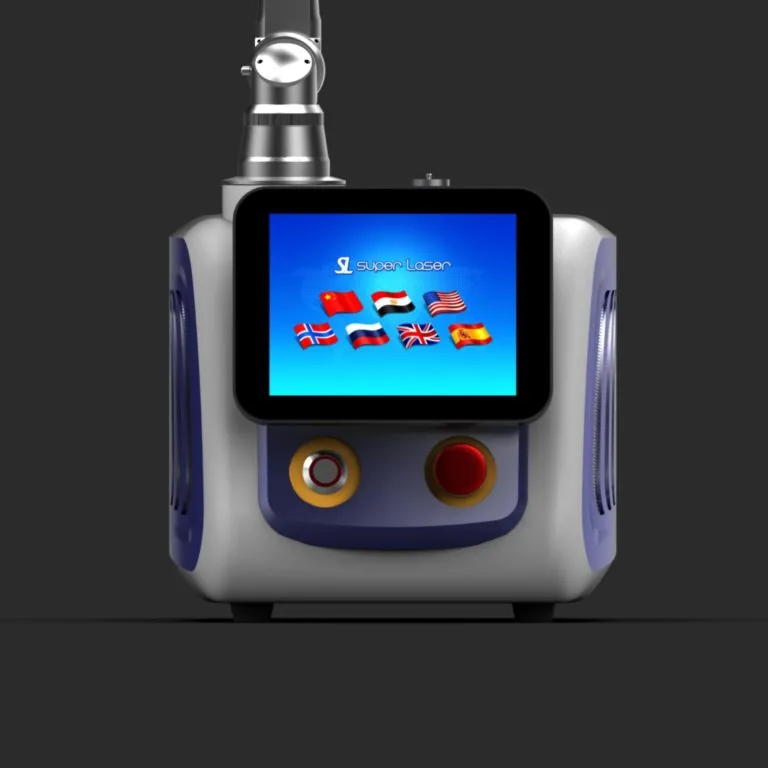
Maintain a Model-Specific Comparison Record
For final comparison, keep DEPPLUS and DIATERMOLOGIE in separate records. Confirm the physical format, tube, scanner, modes, accessories, cooling, electrical requirement, dimensions, weight, training, and applicable documents for each offered unit. The portable description and legacy size data for DIATERMOLOGIE need particular attention before freight, room planning, or local product copy is approved. Record the source and date of every confirmed value so later quotation changes can be reviewed without mixing document versions.