Laser Tattoo Removal Machine for Sale: A Procurement Checklist Before You Buy
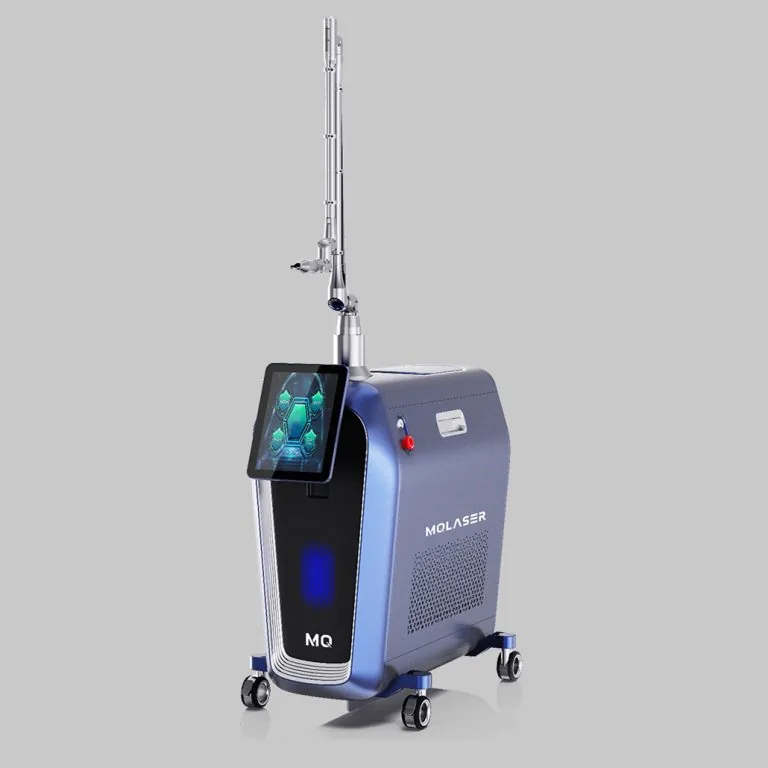
"for sale" pages for tattoo removal laser machines are everywhere: marketplaces, category listings, supplier shops, used-equipment dealers. That is not a problem, but it creates a different one. A listing is a discovery tool, not a decision. The buyer's real task is converting a laser tattoo removal machine for sale into a comparable, verifiable shortlist, and then turning the shortlist into a signed specification for one quoted configuration. This checklist is that task, in the order a procurement team should work through it.
What a "For Sale" Listing Actually Shows
A listing answers "what exists and what does it cost, roughly." It does not answer "what am I buying." Most tattoo removal machine listings show a title, a price or price range, a few highlighted values, and a photograph. What is usually missing is exactly what a purchase decision depends on.
- The exact configuration. Whether the highlighted wavelength is included or optional, which spot sizes and handpieces are in the box, and which software or interface modes ship with the unit.
- The itemized price. A listing price is a number. A quote is a document. The difference matters when consumables, training, documents, and support are added or left out.
- The support route. Who answers a technical question at 9 a.m. on a treatment day, how maintenance and spare parts are handled, and which documents apply to your market.
Treat every listing as a shortlist entry, not a purchase. The listing earns its place by giving you enough confirmed detail to build a comparison record; it does not earn a purchase order on its own.
The Technology Decision That Comes First
Before comparing prices, decide which pulse-duration category you are buying into: picosecond or Q-switched. That is a separate, documented decision, and it changes which machine a listing should even be.
The distinction is real at the specification level. A picosecond platform publishes a pulse width in the picosecond range, while a Q-switched platform publishes a nanosecond-range pulse. Those numbers describe different light delivery, and a buyer should confirm the stated pulse width against the exact model rather than infer it from the marketing word "picosecond" in a title.
For reference, the MQLASER DEPELITE platform publishes a 350 ps pulse width, 1064 nm and 532 nm wavelengths, 1–10 Hz frequency, a 20–3,000 mJ energy range, and a 2–10 mm spot size. Read those as one model's published values, not as the category standard. If you have not made the picosecond versus Q-switched choice yet, the pico vs Q-switch comparison covers that decision on the same basis before you shortlist.
Verify the Configuration Before Comparing Tattoo Removal Machine Prices
Once the category is set, verify the configuration on each shortlisted listing before any price comparison is meaningful. The same model can be offered with different standard versus optional packages, and the difference shows up in the price and in what you can actually run.
Wavelengths, standard versus optional. A platform may publish two wavelengths as part of the listed configuration and describe others as customization options. On the DEPELITE, 1064 nm and 532 nm are published wavelengths, while 755, 1320, 585, and 650 nm are described as customized wavelength language. A comparison must record which wavelengths are in the offered configuration, which are options, and which handpiece or accessory goes with each confirmed choice. Do not present every listed value as one standard package.
Spot size and handpieces. Confirm the exact spot-size range and the handpieces supplied. A listed range is useful only when you know which tips ship with the unit and which are add-ons.
Electrical and footprint. Record the stated input voltage, frequency, and power, plus the published size and weight. The DEPELITE publishes 110 / 220 V, 50 / 60 Hz, 1,800 W, and a 60 × 110 × 120 cm / 110 kg footprint. Those figures drive the room, the electrical review, and the freight line, and they differ between models, so keep them model-specific.
A shortlisting that has not separated standard from optional is not a shortlist yet. It is a list of names.
Supplier and Support Questions That Separate a Sale From a Purchase
A tattoo removal machine for sale is, in practice, a purchase of a supplier relationship, not just a machine. The questions below are what separate a listing you can buy from one you should skip.
- Training. What training, if any, is included, in what language, for which roles, and how is retraining handled? For a distributor, confirm whether materials can reach end-clinics.
- Documentation. Which operator, service, and calibration documents apply to the exact model and your destination market?
- Service and spare parts. Who is the technical contact, how are maintenance and troubleshooting requests routed, and how are spare parts sourced over time?
- Warranty scope. What does the stated warranty actually cover, in writing, for the quoted configuration?
- Market documents. Which regulatory and market documents apply to the model in your jurisdiction, and who confirms them?
If a supplier cannot answer these in writing, the machine may be for sale, but the purchase is not ready. For a distributor, the support plan is part of the product decision: confirm how product information is updated, how configuration questions are escalated, and which claims may be used in local sales material.
A Pre-Purchase Checklist for Tattoo Removal Machines for Sale
Work each shortlisted listing through the same checklist. Fill in only what is confirmed for that exact model and configuration; leave a blank where the supplier has not stated it, rather than assuming.
| Checklist item | Confirmed for this model / configuration |
|---|---|
| Pulse-duration category | Picosecond or Q-switched, with the stated pulse width |
| Wavelengths | Included vs optional, each tied to its handpiece |
| Pulse width and frequency | Stated values for the exact model |
| Energy and spot size | Stated ranges and the spot sizes supplied |
| Electrical and footprint | Voltage, frequency, power, size, and weight |
| Supplied items | Handpieces, tips, and accessories in the box |
| Training and documents | Format, language, roles, and market documents |
| Service and parts | Named contact, maintenance route, spare-parts route |
| Warranty and market docs | Written scope and applicable documents |
A listing that survives this checklist with most rows filled in by written confirmation is a real candidate. One that survives only because the rows are blank is not.
Moving From Shortlist to Signed Specification
When the checklist has narrowed the field, make the final step a document, not a conversation. Create one comparison record per quotation, note the exact model, the confirmed wavelength and handpiece configuration, the included accessories, the operating materials, and the support terms, and ask the supplier to confirm the record in writing against the signed specification.
Keep the money question separate from the configuration question. Once the shortlist is comparable, the cost side is a different, follow-on task: the tattoo removal machine cost guide covers normalizing quotations and landing cost before you commit.
MQLASER publishes a picosecond and Q-switch product line, with the DEPELITE platform publishing its reference values for a buyer to confirm against a quotation. The picosecond and Q-switch product line is the place to start that confirmation, and you can request product information with the comparison record in hand so the supplier can respond to a specific, written configuration rather than a general one.
FAQ
Q: How do I know if a tattoo removal machine for sale listing is serious enough to buy from? Treat the listing as a shortlist entry. If it gives you enough confirmed detail to fill a comparison record — pulse-duration category, included versus optional wavelengths, supplied handpieces, electrical and footprint, and a written support route — it is worth a quotation. If the detail is missing, request it in writing before comparing prices.
Q: Is a picosecond laser machine always a better buy than a Q-switched one? Not by default. The choice depends on the service scope and the workflow you are building. Confirm the stated pulse width for the exact model, make the picosecond versus Q-switched decision on the same basis, and then compare machines within the category you actually chose.
Q: What should I confirm before I compare tattoo removal machine prices? Confirm the configuration first: which wavelengths are included versus optional, which handpieces and spot sizes ship, the stated pulse width, frequency, energy, and spot size, and the electrical and footprint figures. Price comparison is only fair once two quotes describe the same confirmed configuration.
Q: How should I handle optional wavelengths a supplier lists on a for-sale page? Treat them as options to confirm, not as part of the standard package. Record which wavelengths are in the offered configuration, which require a separate option, and which handpiece or accessory goes with each choice, then ask the supplier to confirm that record in writing against the signed specification.